Cessna Nose Gear Strut Assembly: Aircraft Ground Handling and Structural Component
Cessna Nose Gear Strut Assembly: Aircraft Ground Handling and Structural Component
Blog Article
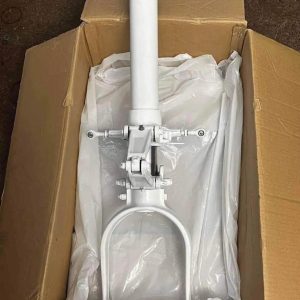
The Cessna Nose Gear Strut Assembly should be selected only after confirming the aircraft model, serial-number range, mounting arrangement, dimensions, included hardware, inspection history, and technical documentation.
A Cessna Nose Landing Gear Strut may form part of a broader Cessna Nose Gear Assembly, while the phrase Cessna Landing Gear Strut can describe different positions or configurations depending on the aircraft model.
Whether described as an Aircraft Nose Landing Gear Assembly or Cessna Shock Strut Assembly, the unit should be evaluated as part of the complete airframe and landing-gear system.
A Cessna Nose Wheel Strut must maintain appropriate geometry and movement for predictable ground handling.
A Cessna Replacement Nose Gear should correspond with the receiving aircraft’s approved configuration rather than being selected through appearance alone.
Identifying the Complete Nose Gear Component
The seller should provide clear photographs of the cylinder, piston, fork, steering features, mounting points, torque links, hardware, and identification markings.
The buyer should determine whether the listing includes a complete Cessna Nose Gear Assembly or only selected parts of the system.
Understanding Ground Loads on the Front Gear
System-level evaluation is essential when selecting or inspecting the component.
Any evidence of previous impact should be disclosed and investigated.
Evaluating Strut Extension and Movement
Proper operation depends on correct servicing, internal condition, seal integrity, surface finish, alignment, and absence of contamination.
Qualified maintenance supports proper Cessna Nose Gear Shock Absorber operation.
Understanding the Cessna Steering Strut Assembly
Correct geometry supports more consistent taxi and landing-roll control.
Steering stops should remain intact and correctly adjusted so the nose wheel does not exceed approved travel limits.
Avoiding Universal Cessna Fitment Claims
The buyer should compare the offered unit with current illustrated-parts, maintenance, and installation information.
The donor aircraft may provide useful history but does not independently establish eligibility for another aircraft.
Inspecting for Scoring, Pitting, and Wear
The strut cylinder and piston surfaces should be examined for scoring, corrosion, pitting, scratches, impact marks, discoloration, and evidence of improper tool use.
The cylinder bore, piston diameter, and relevant clearances may require professional measurement.
Seal Condition and Fluid Leakage
A small film of fluid and an active leak should be distinguished using applicable maintenance guidance.
Seal grooves, backup rings, scrapers, and retaining components should be checked when the assembly is opened.
Evaluating Coastal and Outdoor Storage Damage
Complete corrosion inspection supports responsible General Aviation Landing Gear Parts purchasing.
Protective coatings should be checked for chips, lifting, abrasion, bubbling, poor adhesion, and incompatible refinishing.
Inspecting High-Stress Areas
The absence of obvious damage in photographs does not establish structural integrity.
A damaged assembly may also indicate concerns in the surrounding airframe structure.
Wheel Fork, Axle, and Nose Wheel Components
A complete strut listing should state whether the fork, axle, spacers, wheel, bearings, tire, and hardware are included.
Used hardware should not be reused automatically without applicable inspection.
Evaluating Wear and Side Play
Bushings, bolts, washers, bearings, and attachment holes should be inspected for wear, elongation, corrosion, looseness, and inadequate lubrication.
Improperly installed bushings, unsuitable bolts, missing washers, or altered holes can affect steering and strut movement.
Evaluating Wheel Alignment and Steering Play
Operational reports should identify when the vibration occurs and under what taxi or landing conditions.
Tire condition should be reviewed together with the strut, wheel, fork, axle, and steering components.
Fluid and Pressure Maintenance
Shock-strut servicing should follow the exact aircraft maintenance procedure for fluid type, quantity, pressure, extension, loading condition, and safety precautions.
The aircraft should be positioned and supported safely before servicing or disassembling the nose gear.
Distinguishing Inspection from Overhaul
The exact scope should be defined in the work records rather than assumed from the word overhauled.
Reconditioning decisions depend on structural condition, dimensional limits, corrosion depth, surface damage, repair data, parts availability, and cost.
Aircraft Nose Gear Buying Guide
A pre-purchase review should confirm the exact part number, configuration, aircraft applicability, serial markings, dimensions, included components, removal reason, condition, repair history, and documentation.
- Determine whether the wheel, tire, bearings, spacers, steering links, hardware, servicing fittings, records, and release documents are included.
- Inspect or document corrosion, cracks, bends, scoring, pitting, leakage, chrome damage, worn bushings, loose pivots, elongated holes, damaged threads, fork alignment, and previous repairs.
- Report shipping damage, missing components, identification differences, undisclosed repairs, corrosion, leakage, or dimensional concerns promptly.
Protecting the Landing Gear Strut in Transit
The chrome or polished piston area should receive protective wrapping that prevents impact and read more contamination without trapping moisture.
The receiver should inspect the crate for impact, puncture, water exposure, or shifting before opening.
Protecting the Cessna Nose Strut
The assembly should not rest directly on delicate fittings, the axle threads, polished surfaces, or unstable supports.
Identification records, inspection tags, hardware, seals, and supporting documents should remain associated with the correct assembly.
Preparing for Ground-Handling Checks
The technician should verify the part number, aircraft applicability, mounting points, dimensions, hardware, steering links, torque components, wheel fork, axle, and servicing requirements.
The strut should align correctly with the aircraft structure, steering system, wheel, fork, and torque links without binding or abnormal side loading.
Any abnormal indication should receive prompt evaluation before further operation.
Routine Inspection and Preventive Maintenance
Small leaks, corrosion, looseness, tire wear, damaged coatings, unusual noise, or shimmy should receive timely attention.
Maintenance records should identify findings, measurements, servicing, parts replaced, repairs, dates, and personnel involved.
Commercial Value of a Cessna Nose Gear Assembly
Assemblies with clear photographs, complete records, transparent removal history, and identified components are easier for professional buyers to assess.
The lowest-priced assembly may not offer the lowest installed cost when major repairs or missing parts are discovered.
Buying a Replacement Cessna Front Gear Assembly
The Cessna Nose Gear Strut Assembly may suit private aircraft owners, flight schools, maintenance organizations, restorers, aviation dealers, and general aviation operators seeking an identifiable landing-gear component.
The unit should not be judged solely through clean paint, smooth compression, removed-serviceable wording, or purchase price.
Whether the assembly is purchased for maintenance, overhaul, restoration, spare inventory, resale, or an aircraft project, transparent information and qualified oversight provide the strongest foundation.
With complete evaluation and continued care, the Cessna Nose Gear Strut Assembly can deliver a professional combination of structural support, shock absorption, steering stability, replacement value, and general aviation application potential.
Report this page